
Understanding CINV: Taking Control of Your Treatment Experience
What Causes CINV?
Understanding the science behind chemotherapy-related nausea and vomiting.
The Role of Serotonin
How chemotherapy triggers nausea.
Who is at Risk?
Factors that increase likelihood of CINV.
Impact on Daily Life
How CINV can affect treatment adherence and quality of life.

A Simple Solution for Lasting Relief
Sancuso’s transdermal patch provides 5-day continuous protection from CINV.
How It Works
The science of transdermal granisetron delivery.
Why Choose a Patch?
Benefits of continuous, non-oral delivery.
Clinically Proven
NCCN guidelines and clinical trial support.
Applying the Patch: A Step-by-Step Guide
Simple application for continuous CINV protection.
When to Apply
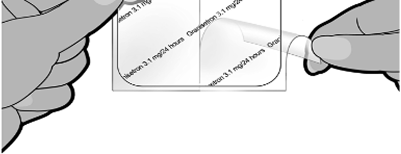
While holding the other half of the stiff (rigid) plastic film, apply the sticky half of the SANCUSO transdermal system to your skin. Remove the second half of the stiff (rigid) plastic film and press the whole SANCUSO transdermal system firmly in place and smooth it down with your fingers. Press firmly making sure the SANCUSO transdermal system sticks well to the skin, especially around the edges.
Where to Place It
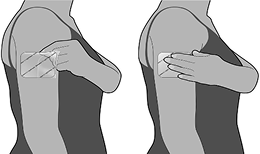
Keep the SANCUSO transdermal system in place for the whole time you are receiving your chemotherapy treatment. Remove the SANCUSO transdermal system at least 1 day (24 hours) after your chemotherapy treatment is finished. The SANCUSO transdermal system can be worn for up to 7 days, depending on the number of days your chemotherapy treatment lasts.
How Long to Wear It
The unprinted, sticky side of the SANCUSO transdermal system is covered by a 2-piece stiff (rigid) plastic film. Bend the transdermal system in the middle. Slowly peel 1-half of the stiff (rigid) plastic film. Be careful not to stick the SANCUSO transdermal system to itself. Do not touch the sticky side of the SANCUSO transdermal system.
Learn more about how, when and possible side effects of using sancuso here
Over the century a leader in patient care and speciality of medicine, surgery, research, medical education, and wellbeing
Wearing Sancuso
- Avoid sunlight. The medicine in SANCUSO may not work as well and/or may affect your skin if exposed to direct sunlight or the light from sunlamps or tanning beds. While you are wearing SANCUSO, you must keep it covered (i.e., under clothing) if there is a risk of exposure to sunlight or sunlamps. Continue to keep the application area covered for 10 days after removing SANCUSO.
- Showering or bathing will not change the way that SANCUSO works—however, you should try to avoid immersing SANCUSO in water for long periods of time to prevent the patch from coming off.
- Because there is no information on the effect of swimming, strenuous exercise, or use of a sauna or whirlpool on the patch, you should also avoid these activities while wearing SANCUSO.
When not to use Sancuso
- Avoid use if you are allergic to granisetron or any of the other ingredients in SANCUSO, or if you have allergies to medical adhesive tape, adhesive dressings, or other skin patches.
- Avoid use if you are pregnant or breastfeeding unless your healthcare professional has told you that you can use it. Be sure to tell your healthcare professional if you are pregnant, if you become pregnant, or plan to become pregnant while using SANCUSO, or if you are planning to breastfeed or are breastfeeding.
Possible side effects of Sancuso
- SANCUSO can cause side effects in some patients. The most common side effects with SANCUSO are constipation and headache.
- Be sure to notify your healthcare professional if you have pain in your abdomen or your abdomen becomes swollen.
- While you are wearing SANCUSO, you may see some mild redness at or around the patch application site. If uncomfortable irritation or excessive itchiness occurs, remove the patch, and call your healthcare professional.
More Ways to Stay Ahead of Nausea
Sancuso delivers consistent relief through transdermal technology.
Dietary Adjustments
Foods that help reduce nausea.
Lifestyle Tips
Staying hydrated and managing stress.
When to Seek Help
Signs that require medical attention.

Learn more about CHEMO-INDUCED Nausea and Vomiting (CINV)
Over the century a leader in patient care and speciality of medicine, surgery, research, medical education, and wellbeing
CHEMO-INDUCED Nausea and Vomiting (CINV)
SANCUSO® (granisetron transdermal systems) relieves chemotherapy complications.
Why do some patients with cancer experience chemotherapy-induced nausea and vomiting (CINV)?
Chemotherapy has helped millions of patients in their battle against cancer as it destroys cancer cells. Unfortunately, healthy, noncancerous cells are sometimes destroyed too, which can lead to unpleasant side effects, such as CINV.
If you have chemotherapy complications that may make it hard for you to take oral medications. You may be interested in a different way to prevent CINV.
If you can check any of the boxes below, ask your healthcare professional about CINV option that may be right for you.
Mouth Problems
- Difficulty Swallowing
- Side Effects from chemotherapy that may include
- Mouth Sore
- Breakdown of the lining of the mouth
- Mouth Infections
- Dry Mouth
Gastrointestinal Issues
- Constipation from pain medications (opioids)
- Side effect from chemotherapy such as
- Breakdown in the lining of the GI tract
- Diarrhea
- Bowel blockage
- Abdominal pain and swelling
Chemotherapy with a 90% or More Chance of CINV
- AC (doxorubicin or epirubicin with cyclophosphamide)
- Carmustine >250 mg/m
- Cisplatin
- Cyclophosphamide >1500 mg/m
- Dacarbazine
- Mechlorethamine
- Streptozotocin
- Carboplatin AUC >4
- Doxorubicin >60 mg/m
- Epirubicin >90 mg/m
- Ifosfamide >2 g/m per dose
INDICATIONS AND USAGE
SANCUSO® (granisetron transdermal system) is indicated for the prevention of nausea and vomiting in adults receiving moderately and/or highly emetogenic chemotherapy regimens of up to 5 consecutive days.
CONTRADICTIONS
Sancuso is contraindicated in patients with known hypersensitivity to granisetron or to any of the components of the transdermal system.
WARNINGS AND PRECAUTIONS
- Progressive Ileus and Gastric Distention: Sancuso may mask a progressive ileus and/or gastric distention. This should be particularly considered before use of Sancuso in patients who have had recent abdominal surgery. Monitor for decreased bowel activity, particularly in patients with risk factors for gastrointestinal obstruction.
- Serotonin Syndrome: The development of serotonin syndrome has been reported with 5-HT3 receptor antagonists. Patients should be monitored for the emergence of serotonin syndrome, especially with concomitant use of Sancuso and other serotonergic drugs.
- If symptoms of serotonin syndrome occur, discontinue Sancuso and initiate supportive treatment. Patients should be informed of the increased risk of serotonin syndrome, especially if Sancuso is used concomitantly with other serotonergic drugs. Skin Reactions: In clinical trials with Sancuso, application site reactions were reported that were generally mild in intensity and did not lead to discontinuation of use. The incidence of reactions was comparable with placebo. If severe reactions, or a generalized skin reaction occur (e.g., allergic rash, including erythematous, macular, papular rash or pruritus), remove the Sancuso transdermal system.
- Increased Drug Exposure with Use of External Heat Sources: Prolonged exposure to heat results in increasing plasma concentrations of granisetron during the period of heat exposure. Do not apply a heat pad or heat lamp over or in the vicinity of the Sancuso transdermal system and avoid extended exposure to heat.
- Phototoxicity with Ultraviolet Light Exposure: Granisetron may be affected by direct natural or artificial sunlight, including sunlamps. An in vitro study using Chinese hamster ovary cells suggests that granisetron has the potential for photogenotoxicity. To avoid a potential skin reaction, advise patients to cover the application site of the transdermal system with clothing if there is a risk of exposure to direct natural or artificial sunlight throughout the period of wear and for 10 days following its removal.
Adverse Reactions
- Progressive Ileus and Gastric Distention: Sancuso may mask a progressive ileus and/or gastric distention. This should be particularly considered before use of Sancuso in patients who have had recent abdominal surgery. Monitor for decreased bowel activity, particularly in patients with risk factors for gastrointestinal obstruction.
- Serotonin Syndrome: The development of serotonin syndrome has been reported with 5-HT3 receptor antagonists. Patients should be monitored for the emergence of serotonin syndrome, especially with concomitant use of Sancuso and other serotonergic drugs.
- If symptoms of serotonin syndrome occur, discontinue Sancuso and initiate supportive treatment. Patients should be informed of the increased risk of serotonin syndrome, especially if Sancuso is used concomitantly with other serotonergic drugs. Skin Reactions: In clinical trials with Sancuso, application site reactions were reported that were generally mild in intensity and did not lead to discontinuation of use. The incidence of reactions was comparable with placebo. If severe reactions, or a generalized skin reaction occur (e.g., allergic rash, including erythematous, macular, papular rash or pruritus), remove the Sancuso transdermal system.
- Increased Drug Exposure with Use of External Heat Sources: Prolonged exposure to heat results in increasing plasma concentrations of granisetron during the period of heat exposure. Do not apply a heat pad or heat lamp over or in the vicinity of the Sancuso transdermal system and avoid extended exposure to heat.
- Phototoxicity with Ultraviolet Light Exposure: Granisetron may be affected by direct natural or artificial sunlight, including sunlamps. An in vitro study using Chinese hamster ovary cells suggests that granisetron has the potential for photogenotoxicity. To avoid a potential skin reaction, advise patients to cover the application site of the transdermal system with clothing if there is a risk of exposure to direct natural or artificial sunlight throughout the period of wear and for 10 days following its removal.
Ready to Take Control of CINV?
Discuss Sancuso with your healthcare provider for personalized guidance. Access support resources for treatment, financial aid, and patient care.

Ready to Take Control of CINV?
Discuss Sancuso with your healthcare provider for personalized guidance. Access support resources for treatment, financial aid, and patient care.